Understanding R-Value Requirements in Georgia
When homeowners in Columbus think about insulation upgrades, they often assume they need maximum coverage. However, the reality is more nuanced. Georgia's building codes and energy efficiency standards specify minimum R-value requirements based on climate zone and building component, not a one-size-fits-all approach.
The Columbus area falls within IECC climate zone 3A, which means attic insulation typically needs to reach R-38 to R-49 depending on your specific situation and local amendments. This doesn't automatically mean you need thick spray foam everywhere. Understanding your current insulation levels and identifying where heat loss actually occurs is the first step toward a cost-effective solution. Many homes already have some existing insulation, meaning you may only need targeted improvements rather than complete replacement.
Spray Foam Insulation R-Value Per Inch: What You're Actually Getting
One of the most important factors in deciding between air sealing and full foam coverage is understanding how different insulation materials perform. Closed Cell Spray Foam Insulation delivers approximately 6 to 7 R-value per inch, making it one of the most efficient insulation options available. Open Cell Spray Foam Insulation, by contrast, provides roughly 3.5 to 3.6 R-value per inch. This difference matters significantly when calculating how thick spray foam should be in your attic.
For example, if you need to reach R-38 in your attic and you're using closed cell foam, you'd need approximately 5.5 to 6.5 inches. With open cell foam, you'd need roughly 10 to 11 inches. The thickness directly impacts material and labor costs, which is why many homeowners in the region benefit from a hybrid approach. Air sealing critical gaps combined with strategic foam application in high-loss areas often delivers better value than full coverage, especially if your existing insulation is already in decent condition.
Air Sealing Alone: When It's Enough for Your Columbus Home
Air sealing is the process of identifying and closing gaps, cracks, and holes where conditioned air escapes your home. It's often overlooked because it's not as visually dramatic as spray foam, yet it can eliminate 30 to 40 percent of energy loss in many homes. For Columbus homeowners with adequate existing insulation levels, professional air sealing might be exactly what's needed to improve comfort and lower utility bills without the investment of full foam installation.
Common air leakage points include recessed lighting fixtures, electrical outlets, plumbing penetrations, ductwork connections, and the attic-to-living-space interface. If your home already has R-30 or better insulation and your primary issue is drafts or uneven temperatures between rooms, air sealing could be your answer. A professional energy audit can pinpoint where your home is losing the most air, allowing you to make targeted improvements. This approach is particularly attractive for homeowners on tighter budgets or those with smaller attic spaces where foam application would be limited anyway.
The Hybrid Approach: Combining Air Sealing with Targeted Foam
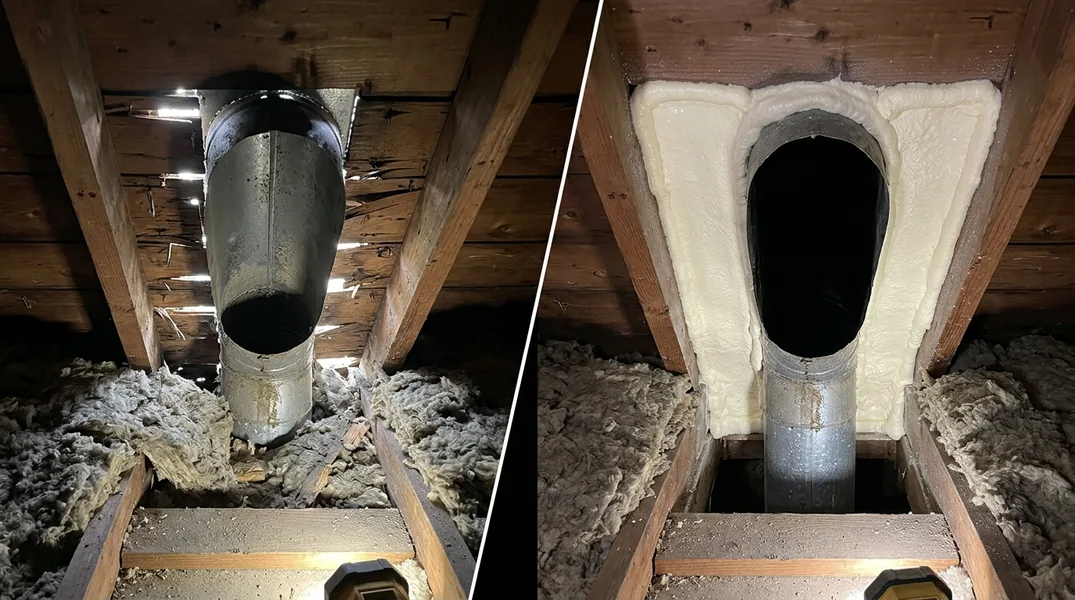
Many homes benefit most from a hybrid strategy that combines air sealing with selective Attic Spray Foam Insulation application. This approach addresses both air leakage and insulation shortfalls simultaneously while optimizing your budget. For instance, you might seal all air leaks throughout your attic, then apply foam only to areas with significant heat loss or where existing insulation is damaged or inadequate.
This strategy is especially effective for older homes or those with complex roof designs where full foam coverage would be expensive or impractical. You get the air-sealing benefits of reduced drafts and more consistent indoor temperatures, plus the superior R-value density of spray foam in the areas where it matters most. When combined with Wall & Injection Foam Insulation for exterior walls or rim joists, a hybrid approach can deliver comprehensive energy efficiency improvements without unnecessary expense.
Insulation Tax Credits and Rebates: Making Your Project Affordable
One significant factor that can shift the economics of your insulation project is the availability of pricing advantages through tax incentives. The federal government offers an insulation tax credit for qualifying energy efficiency improvements made to your primary residence. These credits can cover a percentage of material and labor costs for insulation upgrades, including spray foam, helping reduce your out-of-pocket expense considerably.
Additionally, many utility companies and local programs offer insulation rebates for homeowners who upgrade their insulation to meet energy efficiency standards. Georgia Power and other regional utilities frequently have rebate programs that reward energy-saving improvements. Whether you choose air sealing, foam insulation, or a hybrid approach, you should investigate what credits and rebates you qualify for. These incentives can make a meaningful difference in your final project cost and return on investment. Contact Columbus Spray Foam Insulation at (706) 940-6925 to discuss how tax credits and rebates might apply to your specific project, and we can help you navigate the qualification requirements.
How Thick Should Spray Foam Be: Finding the Right Balance
Determining the ideal thickness of spray foam for your attic requires balancing R-value requirements, existing insulation, budget, and practical installation constraints. As mentioned earlier, closed cell foam at 6 to 7 R-value per inch means you need roughly 5.5 to 6.5 inches to meet Georgia's R-38 minimum for attics. However, if you already have 2 to 3 inches of existing insulation, you might only need 3 to 4 additional inches of foam to meet code, rather than a full 6-inch application.
The key is conducting a thorough assessment of your current insulation condition and identifying areas of greatest heat loss. Some attics have uneven insulation due to settling, compression, or previous damage. Foam application in these weak spots can be more cost-effective than covering the entire attic floor. Additionally, foam applied to roof decks (rather than attic floors) typically requires less thickness because you're creating a conditioned attic space, which has different R-value targets. A professional evaluation from Columbus Spray Foam Insulation will help determine the most efficient thickness for your specific situation. Reach out for a free estimate and we'll assess your home's unique needs.
Looking for a professional spray foam insulation contractor in Columbus? Columbus Spray Foam Insulation responds fast for all your spray foam insulation needs.
Get a Free Quote